

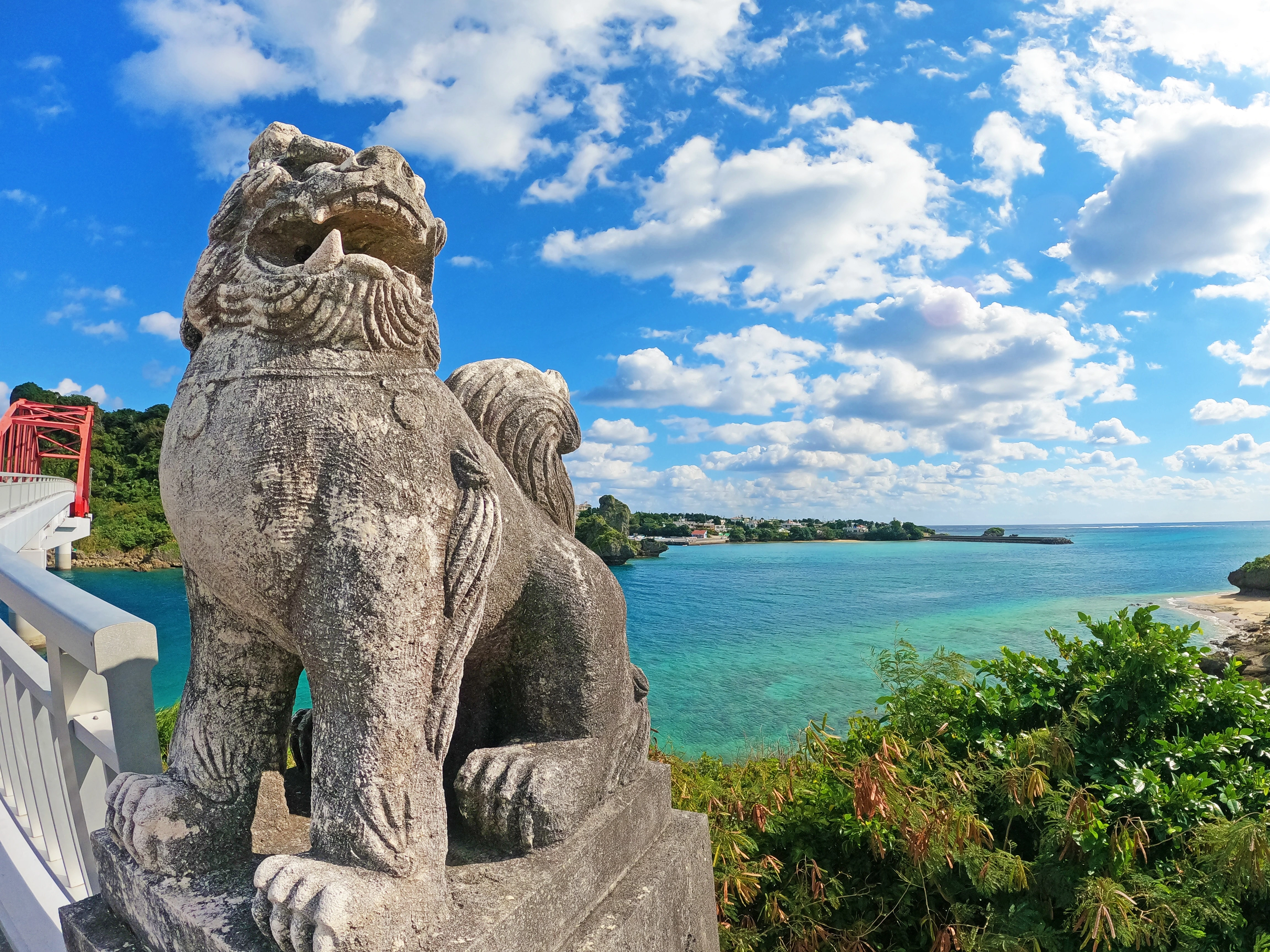
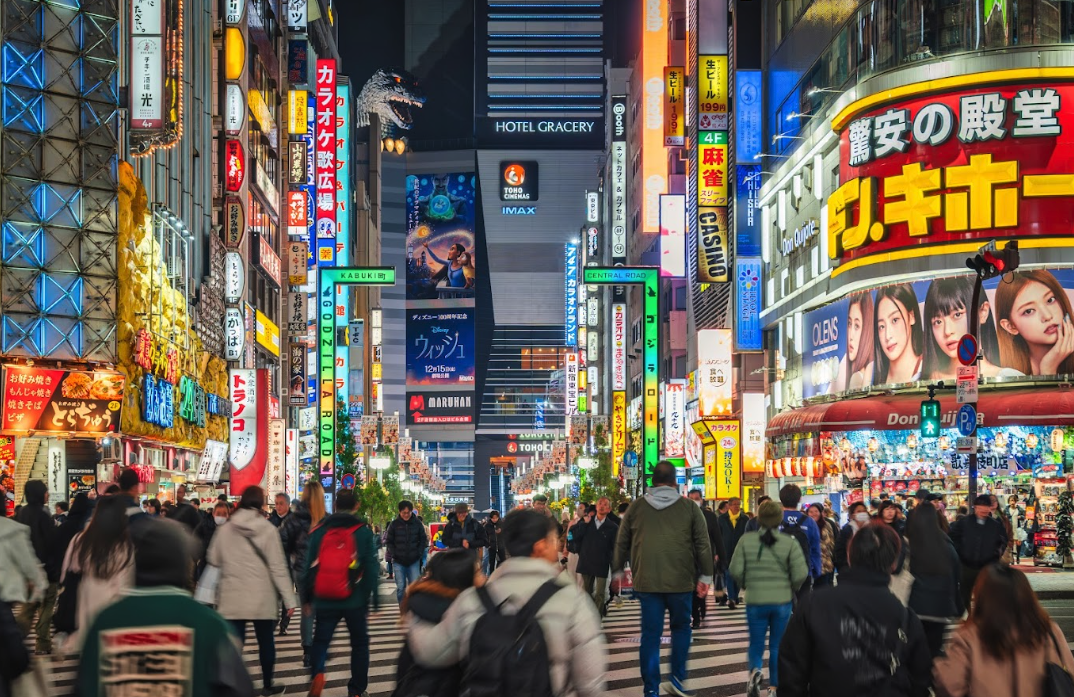
For many travelers, the increasingly popular destination of Japan begins and ends on the island of Honshu – literally, it’s ‘Main Island.’ I can’t blame them – so much of the energy and contrasts of Japan are to be found there: the neon energy of Tokyo, the ancient cultural treasures of Kyoto, the food scene of Osaka, and iconic attractions as different as Mount Fuji and Tokyo Disneyland! All connected by those famous, high-speed bullet trains.
But if you stay on Honshu your entire trip to Japan, you’re missing out on experiences that will astound and resonate with you most after you leave. The incredible north-south length of the Japanese archipelago – about the same distance as the continental USA, although much narrower – means the islands of Japan span vastly different climates. That means many different sights, landscapes, and local cultures.
Think active volcanoes, subtropical beaches, and winter wonderlands, antique forests, distinctive cuisines, and cultural traditions, including indigenous peoples, that feel worlds apart from the familiar Golden Route. Japan’s other main islands - from Hokkaido in the north, to Kyushu, Shikoku, and tropical Okinawa in the south - offer compelling reasons to linger longer and dig deeper.
No wonder cruising to Japan is taking off! Voyages to other islands of this famously maritime nation allow visitors to experience many other facets of real Japan.
Hokkaido: Japan’s Great Outdoors
Japan’s northernmost main island is often compared to Alaska or Scandinavia for its vast landscapes, lower population density, outdoor lifestyle, and indigenous culture. Hokkaido is the traditional homeland of the Ainu, an Indigenous people whose history in northern Japan stretches back centuries before Japanese settlement of the island.
In winter, Hokkaido is famous for some of the lightest, driest powder snow on earth, with legendary ski resorts.
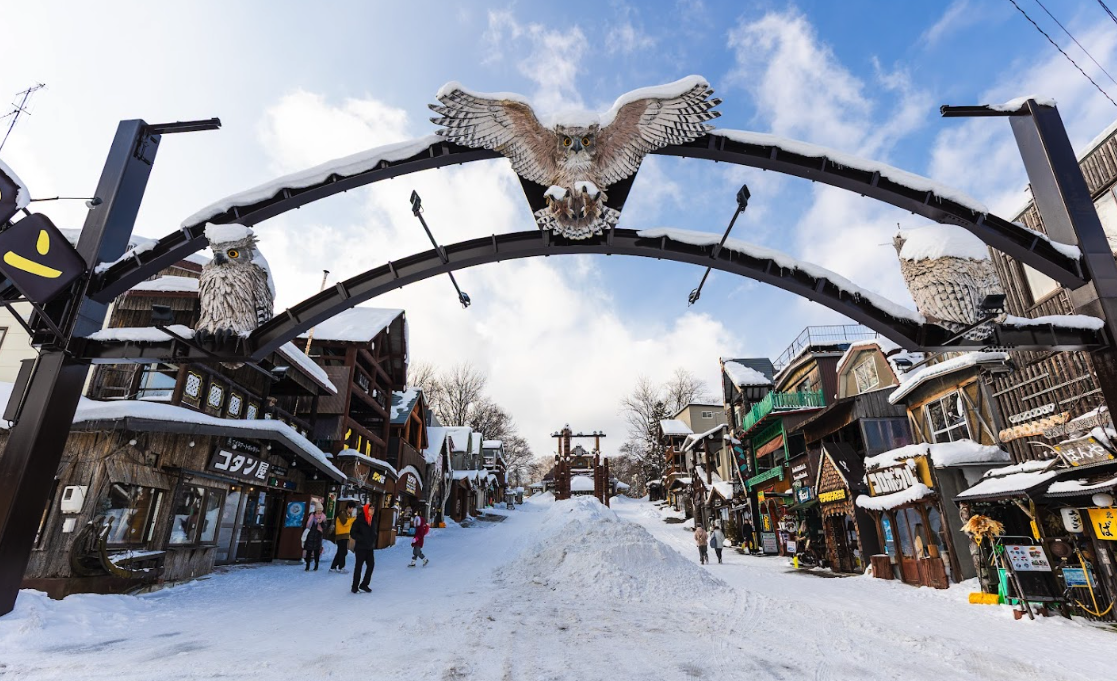
Summer brings wildflower meadows, cycling, hiking, and cooler temperatures, offering relief from the humidity elsewhere in Japan. The island is also home to several national parks, including one of Japan’s most remote wilderness areas, where brown bears, whales, and eagles thrive.
Food is another draw. Hokkaido’s cool climate produces some of Japan’s finest dairy products, seafood, and agricultural products. Snow crab, sea urchin, scallops, and rich miso ramen are local specialties.
Kyushu: Volcanoes, Hot Springs, and History
Southwest of Honshu lies Kyushu, an island shaped by fire.
The landscape is dominated by active volcanoes, including Mount Aso, whose enormous caldera is among the largest in the world. Steam vents and volcanic peaks create some of Japan’s most dramatic scenery.
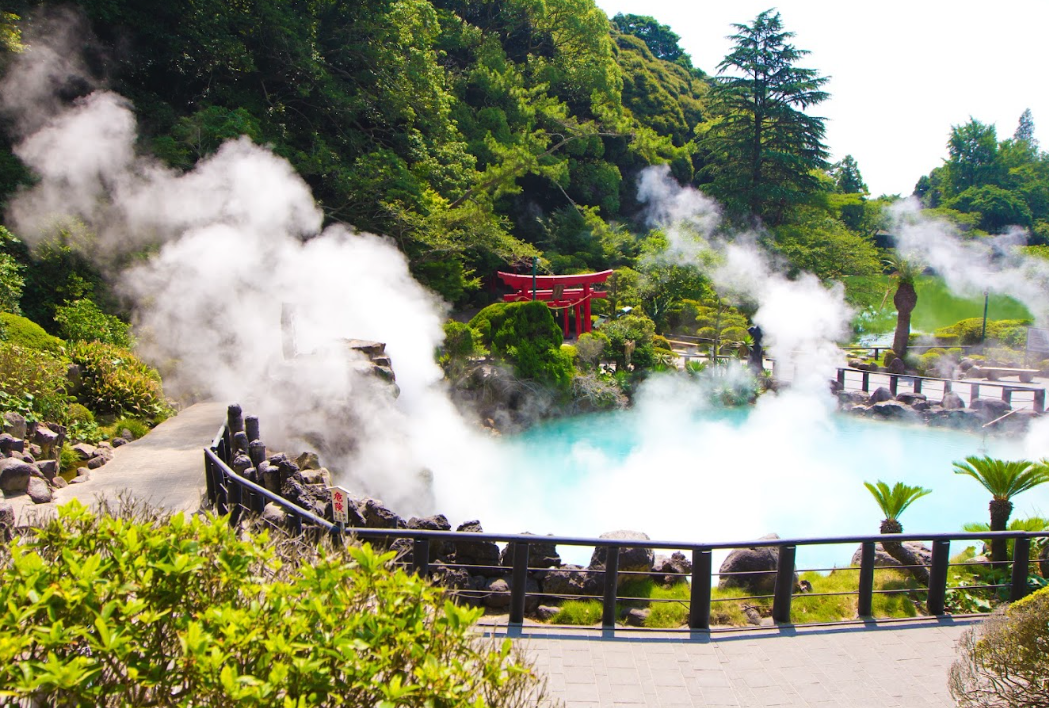
That also makes Kyushu one of Japan’s premier hot spring destinations.
History buffs will find another layer of fascination. Because of its proximity to the Asian mainland, Kyushu served as an important gateway for international influence. The city of Nagasaki tells one of Japan’s most complex stories, from early international trade to its role in World War II and its remarkable recovery.
Food lovers should come hungry. Tonkotsu ramen, made with a rich pork-bone broth, originated in Kyushu and remains one of Japan’s most beloved regional dishes.
Shikoku: Slow Travel and Spiritual Discovery
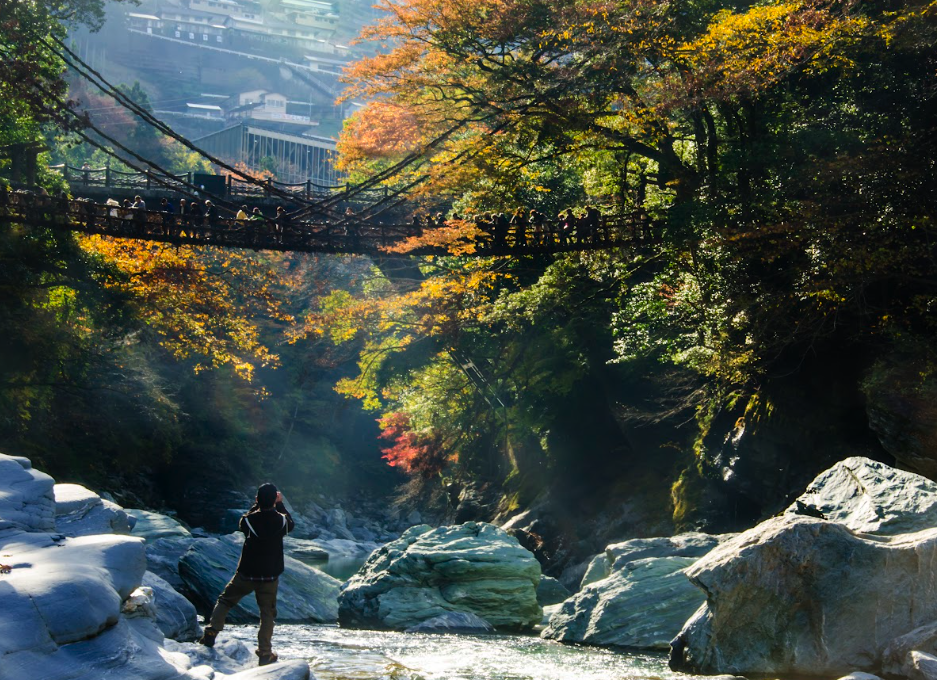
The smallest of Japan’s four main islands is often overlooked—and that’s why you should go.
Shikoku offers a quieter, slower-paced Japan where traditional rural landscapes remain intact. Rice paddies, mountain villages, fishing communities, and dramatic gorges, vine suspension bridges, and coastlines define much of the island.
Its most famous attraction is the Shikoku Pilgrimage, an 88-temple circuit spanning more than 700 miles around the island.
Okinawa: Japan’s Tropical Escape
If Hokkaido is the Alaska of Japan, Okinawa, at the opposite, southern end of the country, is its Hawai’i.
Okinawa (pictured, top) is not one of Japan’s four main islands, but it has incredible appeal with subtropical coral reefs, turquoise waters, jungles, and Ryukyu Kingdom cultural heritage — with its own language, cuisine, music, architecture, and lifestyle.
The people of Okinawa are not considered Indigenous in the same way as Hokkaido’s Ainu, but they continue to preserve a distinct cultural identity from the centuries-old Ryukyu Kingdom, which Japan annexed in the 19th century.
Today, visitors experience this distinctive heritage through Ryukyu textiles and pottery, Okinawan soba noodles, and music played on a unique three-stringed instrument.
START YOUR TRIP!
Images: Getty
By: Lynn Elmhirst, travel expert and journalist
All rights reserved. You are welcome to share this material from this page, but it may not be copied, re-published, broadcast, rewritten, or redistributed.
Start your trip to
Let us help you plan your trip
Featured Experiences
AmaWaterways and Smithsonian Journeys Partner on Collection of River Cruises
AmaWaterways’ river cruise ships will host an exclusive c... more
Riverside Luxury Cruises’ Early Booking Bonus: up to 18% Discount
For a limited time, Riverside Luxury Cruises offers doubl... more
Take Your Winter Vacation to New Levels of Luxury at Aman Resorts
Don’t just escape winter – discover vibrant city sanctuar... more

NEW Roam by Tauck Launches 2026 Journeys in 9 Countries; Adds More for 2027
The unique, new Tauck brand for travelers in their 40s an... more

Insight Vacations, Other TTC Land Tour Brands Offer Savings Up to 30% Off Early Bookings for 2027
TTC Tour Brands, a leading global tour operator and its a... more

“Free at Sea Plus” Package Returns at Norwegian Cruise Line
Releasing its winter 2027/28 deployment, Norwegian Cruise... more
Popular Posts
- 8 Facts About the Panama Canal
- 10 Amazing Facts about the Tasmanian Devil
- Top 10 Reasons to Travel to Croatia
- Lie Flat Beds in Economy Class? This Airline Says, "Yes, You Can!"
- See the World's Tallest Indoor Waterfall at this New Airport
- Fact or Fiction? 3 Things You Need to Know About 'Dracula's Castle'